
Atlantikwall
The long tank wall along the coast
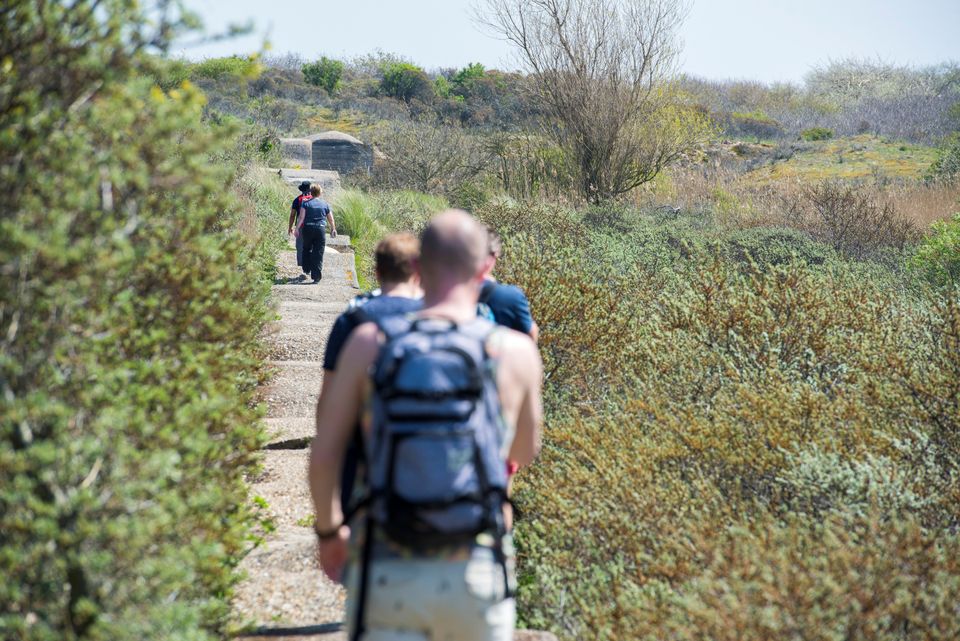
During the German occupation, a 5,000-kilometer-long defensive line was built along the European Atlantic coast. Explore the bunkers and remnants of this wall via cycling or walking routes in Katwijk and Wassenaar.
Crossing the line
Before World War II, the coastlines of Katwijk and Wassenaar looked very different. Katwijk was a popular seaside resort, and Wassenaar had an untouched dune area. But everything changed; many villas along Katwijk’s boulevard had to make way for a tank wall and bunkers. And the same was true for the forests, farmland, and dunes of Wassenaar.
A digital reconstruction of this era in Katwijk has been created. Here you can clearly see the difference between then and now.
Watch now
Still visible
After the Liberation, large sections of the Atlantic Wall were demolished. But not all of it. You can still see many parts of the wall while walking or biking through Katwijk and Wassenaar. You’ll be surprised at how much is still there.
Want to learn more about the full history of the Atlantikwall? Take a look below.
History of the Atlantikwall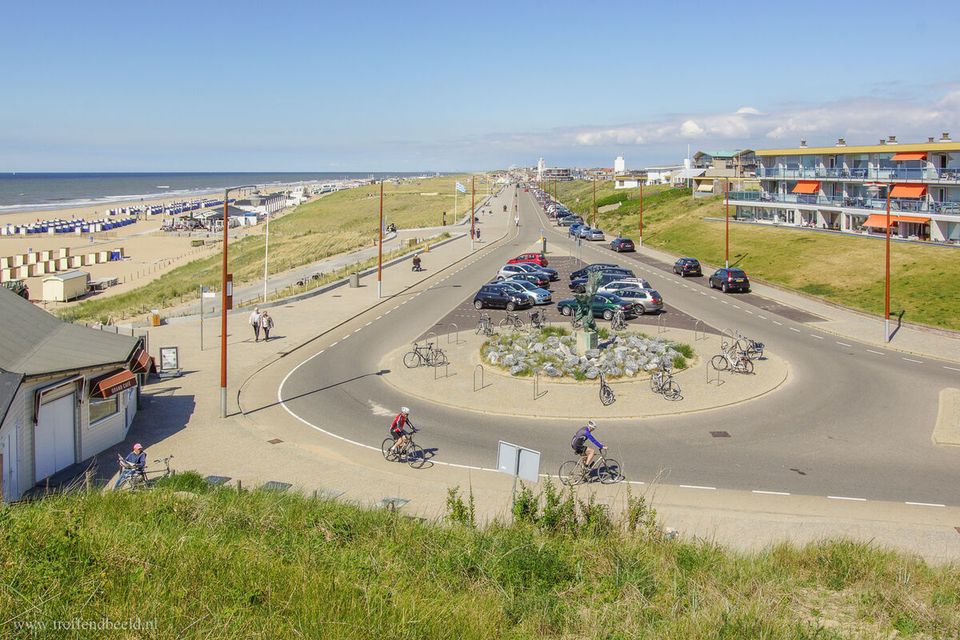
Bunkerday
The Atlantic Wall had 511 bunkers in the Netherlands. Many of these bunkers are not open to the public or serve a different purpose. For example, many bunkers are used as museums, storage facilities, vacation homes, or shelters for animal species such as bats. On Saturday, May 30, the Vleermuisbunker and the Bunkercomplex Rijksdorp in Wassenaar will be open to the public.
More info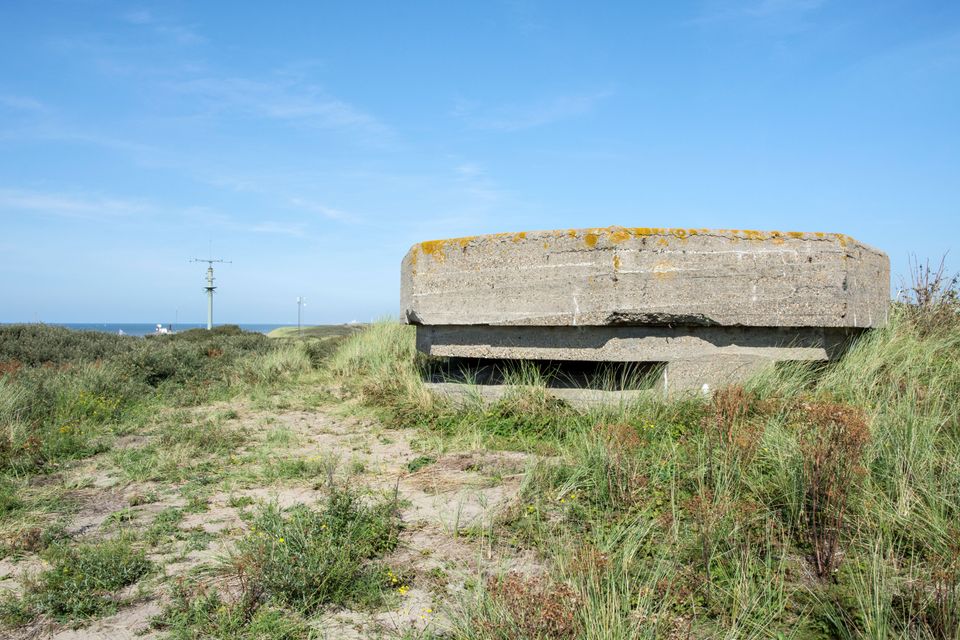
Discover more!
-
Food & Drinks
Food & Drinks

-
Museums
Museums

-
Nature
Nature
